01 / QUICK ANSWER
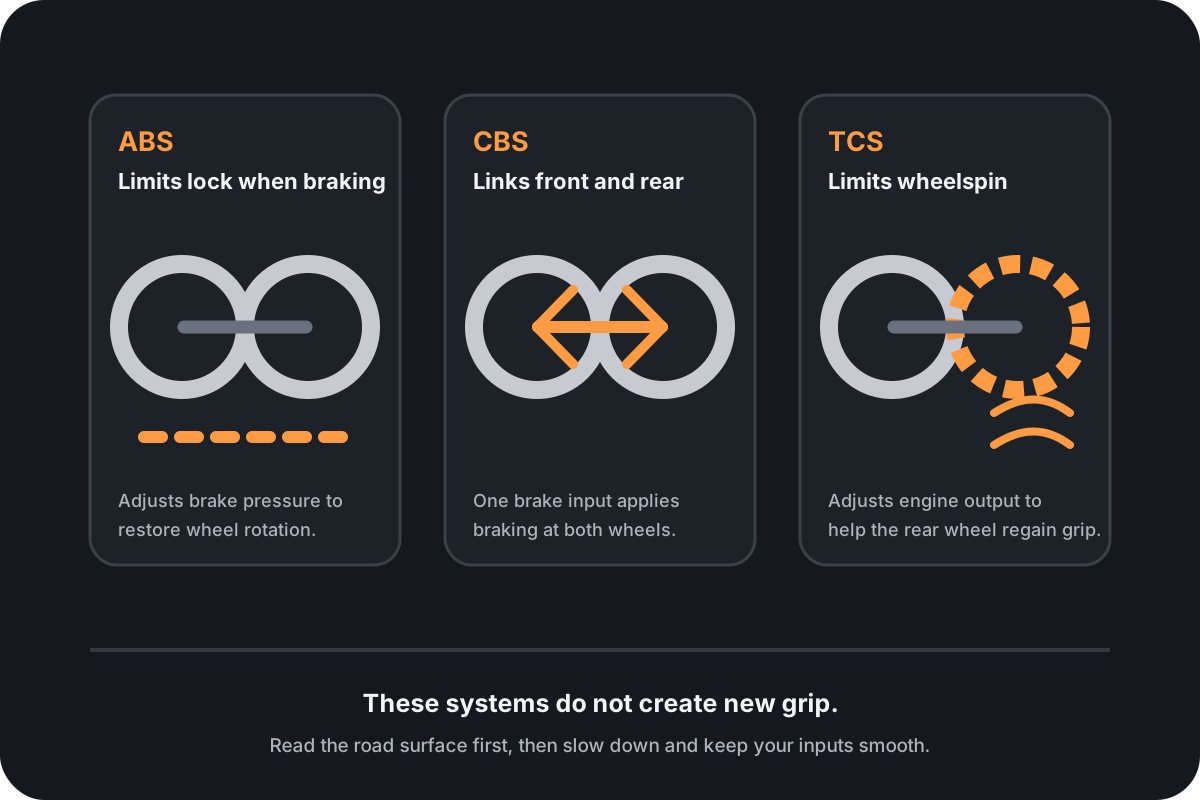
One line per system keeps them apart.
When stopping
When a wheel starts to lock under braking, it adjusts brake pressure to help the wheel keep turning.
Example If the vehicle ahead stops suddenly and you brake hard, it adjusts the pressure as a wheel starts to lock.
When you brake
It links braking force so the front and rear brakes work together, even when you operate only one brake.
Example In slow traffic, if you use one brake to slow down, braking force is applied at the front and rear together.
When pulling away or accelerating
When the rear wheel starts to spin, it adjusts engine output to help the tyre regain grip.
Example Pulling away on a wet road, if the rear wheel spins, it reduces engine output.
02 / MODELS & PRICE
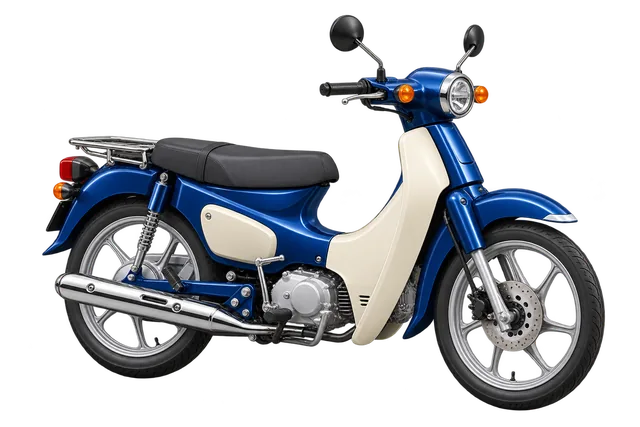
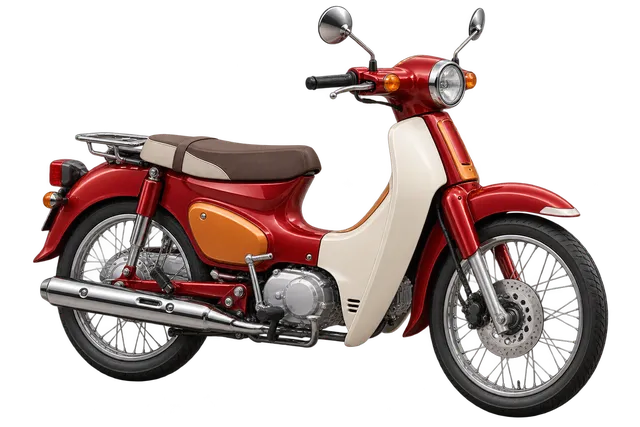
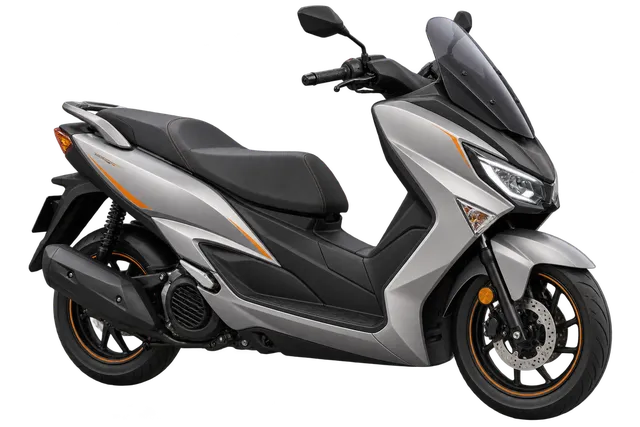
125cc-and-under motorcycles: ABS, CBS, TCS and prices
Based on official information as of 2026-10-26. Prices are recommended retail prices including VAT, and exclude registration, insurance and accessories.
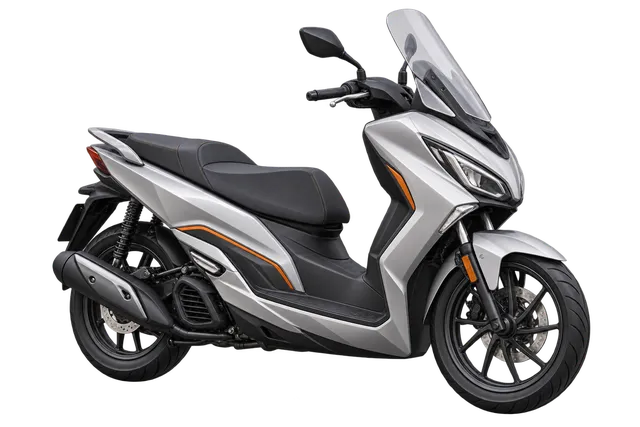
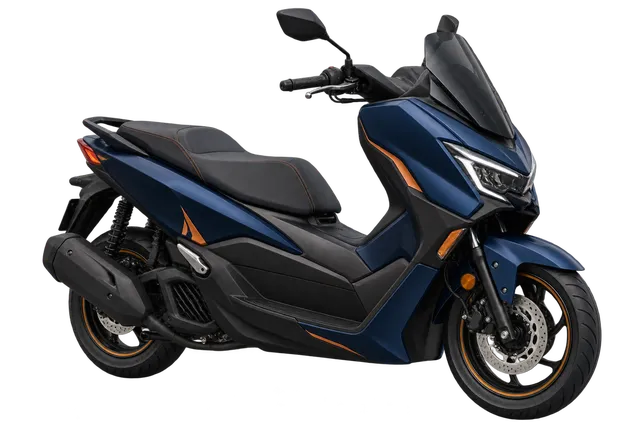
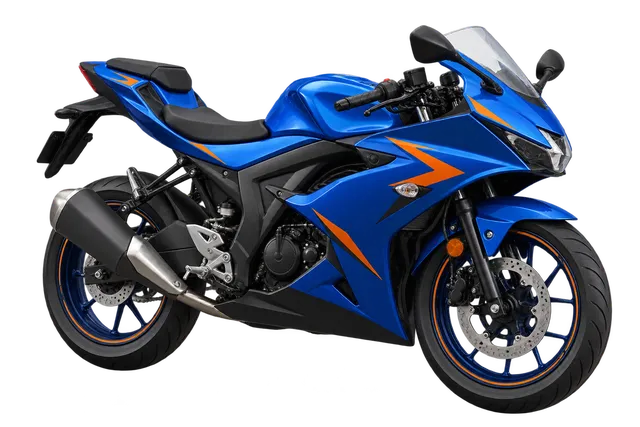
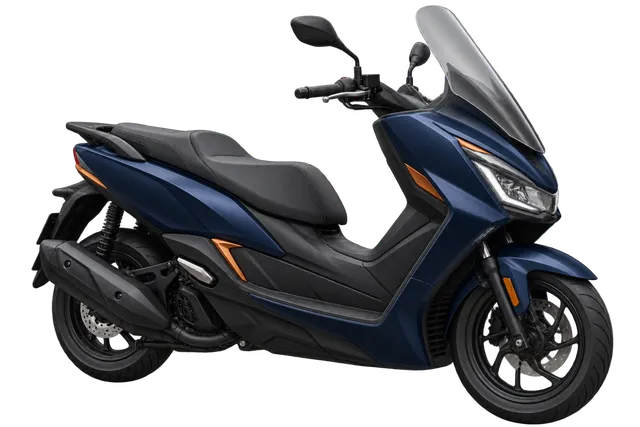
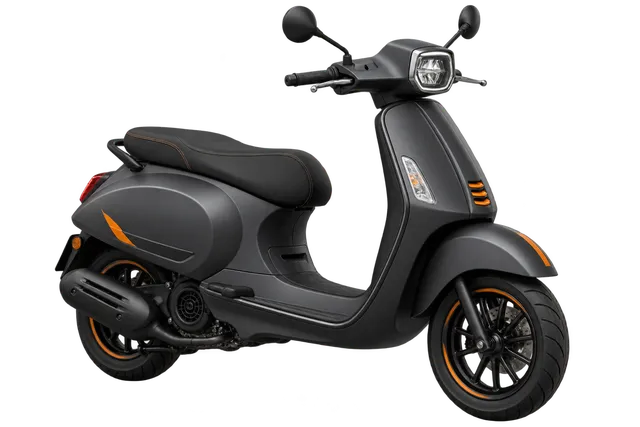
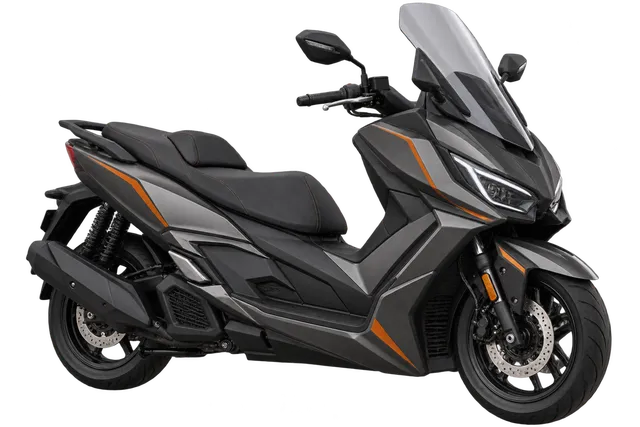
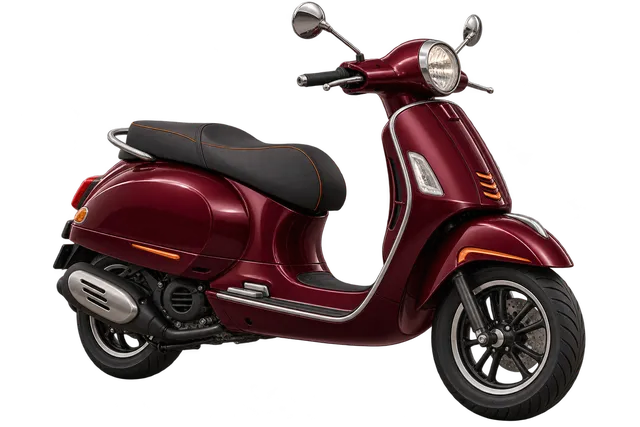
Why is single-channel ABS usually on the front wheel?
The front brake does a large share of the braking. A single-channel system can cost less than front-and-rear ABS, so entry-level models often have it on the front wheel only.
MY PICK
For safety systems, check ABS first.
See whether it is single-channel on the front wheel only, or two-channel on both front and rear. Then compare the bike’s size and price, and treat CBS and TCS as extra advantages.
03 / QUICK FAQ
Two common mix-ups.
If a bike has CBS, does that also stop the wheels locking?
No. CBS links front and rear braking force; ABS is what limits wheel lock.
Is Vespa’s ASR the same as TCS?
It falls in the same traction control category. If the rear wheel spins under acceleration, it reduces engine output.