01 / PICK THE CONTROL FIRST
Before the model: how you want to ride.
I want to get around easily
ScooterLook here first if you want to ride stop-and-go city streets without shifting gears, and want storage too.
I want to try shifting gears
Underbone semi-autoA fit when you want the fun of choosing gears with your foot, but working a clutch by hand feels like too much.
I want to learn the controls properly
ManualChoose this to learn the hand clutch and foot shift together and pick gears yourself to suit the situation.
MZPICK
There is no single right model for a first 125cc.
The starting point is what comes first for you: an easy commute, the fun of shifting, or the controls you want to learn.
02 / WHAT CHANGES
Same 125cc, different jobs for your hands and feet.
Scooter
Continuously variable automatic (CVT)
You twist the throttle to pull away and never change gear yourself. Your feet usually rest on a floorboard in front, and many models have storage under the seat, which makes them easy for commuting and everyday trips.
Downside You don’t get to choose gears yourself, and body shape and storage vary a lot from model to model.
Underbone semi-auto
Foot shift, no hand clutch
You work the throttle with your right hand and change gear with your left foot, but there is no clutch lever for your left hand. You take part in shifting more than on a scooter, with less to take on at the start than a manual.
Good to know “Super Cub” is a Honda model name. In this guide, bikes operated in a similar way are grouped as “underbone semi-auto”.
Manual
Hand clutch + foot shift
You pull the clutch with your left hand and change gear with your left foot. There is more to learn when pulling away and at low speed, but choosing the engine speed and gear yourself is clearly fun.
Downside It can be a chore in heavy traffic, and at first you may stall the engine along the way.
| Type | Shifting | Hand clutch | How much to learn | Start here for |
|---|---|---|---|---|
| Scooter | Automatic | None | Less | Commuting, everyday trips |
| Underbone semi-auto | By foot, yourself | None | Medium | An easy start on shifting |
| Manual | By foot, yourself | Yes | More | Controls and choosing gears |
03 / MODELS TO START WITH
Models to check first on official Korean sites.
I grouped road-legal, combustion-engine models whose model pages or latest materials could be found on the official Korean sites of manufacturers and importers on 2026-10-24. Grey imports, used-only models, discontinued stock and off-road-only models are left out. Before signing anything, check again with the dealer what is currently on sale, what is in stock, and the price.
Tap an image to open that model’s official page (Korean). The images below are not manufacturer photos but AI illustrations made by MZpick to help tell the models apart. Check the actual colours, shapes and specs on the official pages.
Scooter
Continuously variable automatic
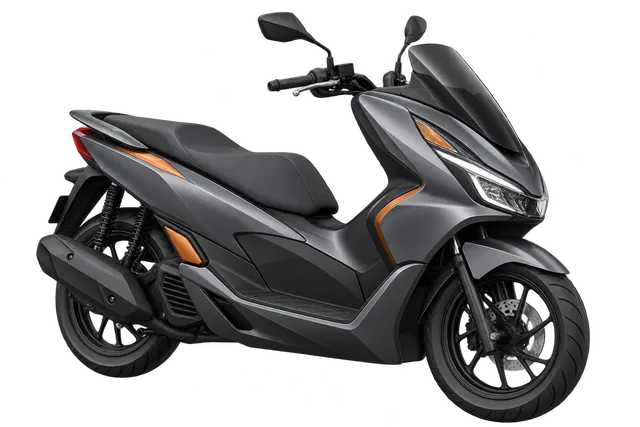 Honda PCXOfficial page (Korean)
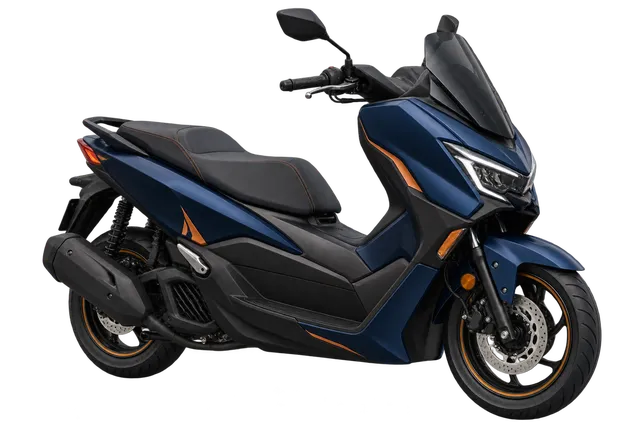 Yamaha NMAX 125Official page (Korean)
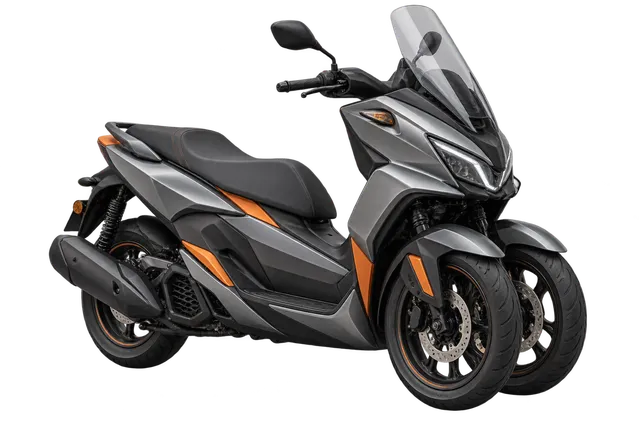 Yamaha TRICITY 125Official page (Korean)
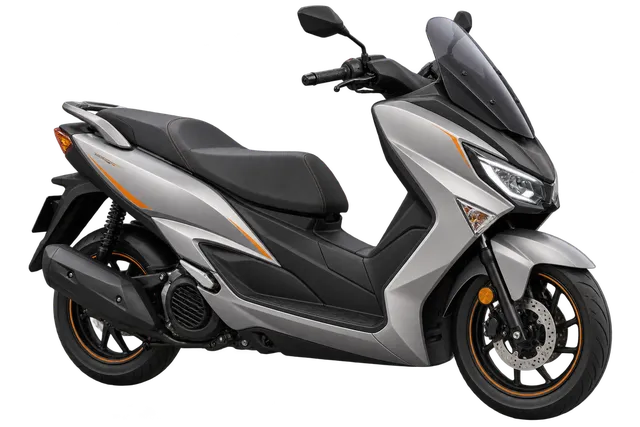 Suzuki BURGMAN STREET 125 EXOfficial page (Korean)
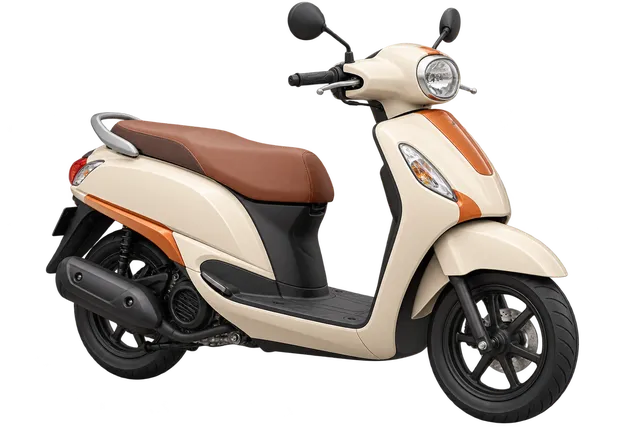 Suzuki ADDRESS 125Official page (Korean)
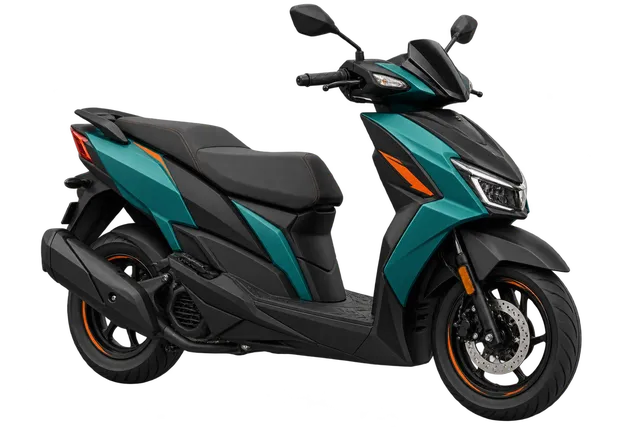 Suzuki AVENIS 125Official page (Korean)
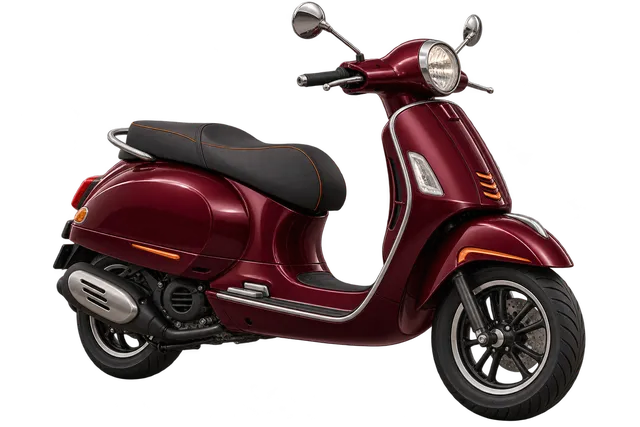 Vespa GTS SuperSport 125Official page (Korean)
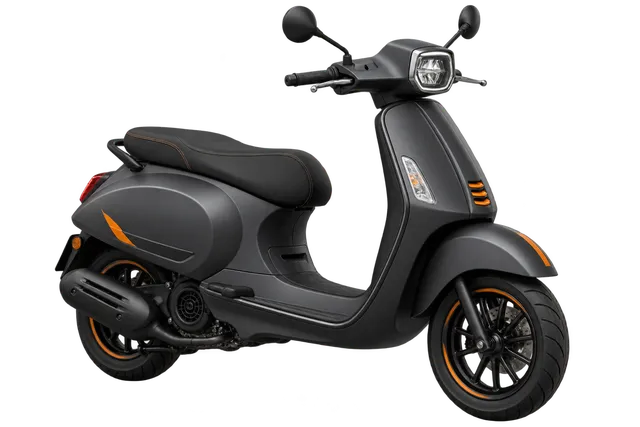 Vespa Sprint S 125Official page (Korean)
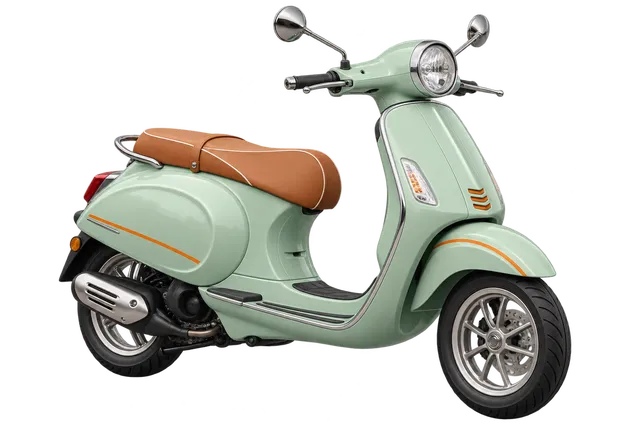 Vespa Primavera 125Official page (Korean)
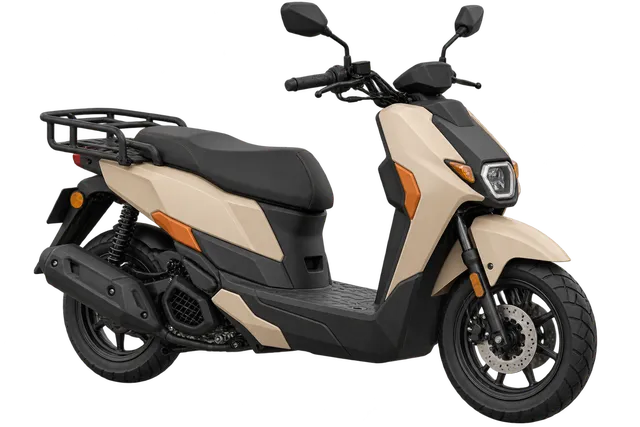 SYM 4MICA EPOfficial page (Korean)
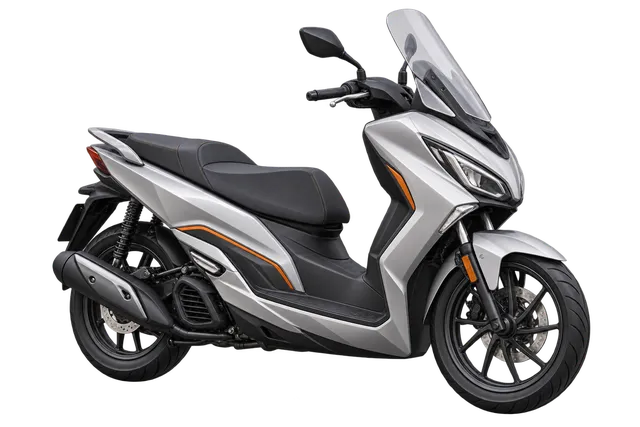 SYM JOYCITY 125Official page (Korean)
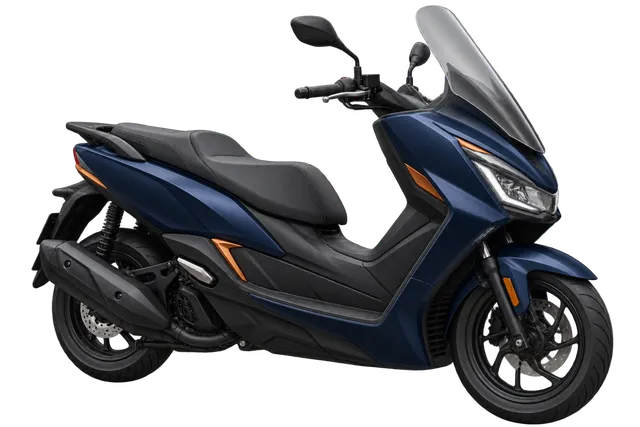 SYM JOYSYM 125Official page (Korean)
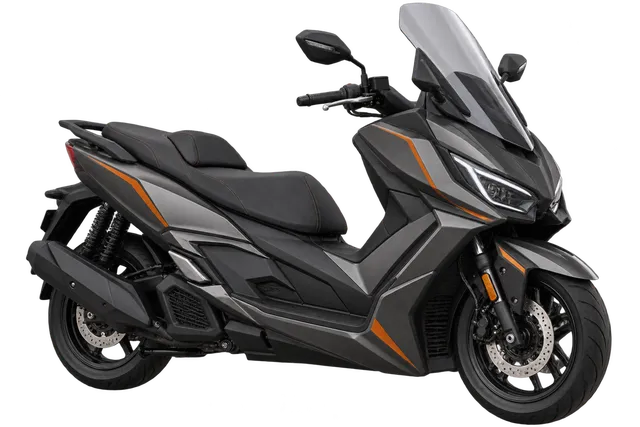 SYM CRUiSYM 125Official page (Korean)
Underbone semi-auto
Foot shift, no hand clutch
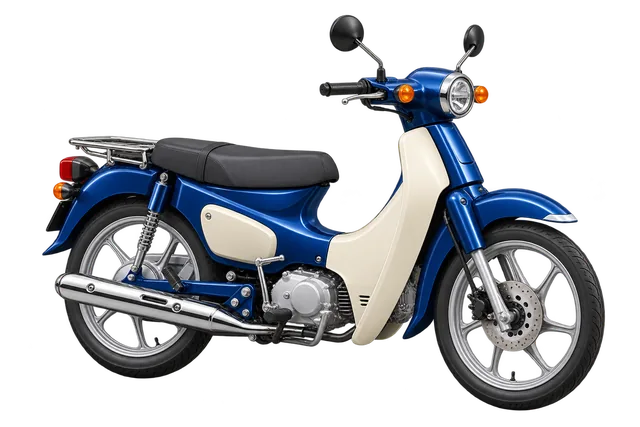
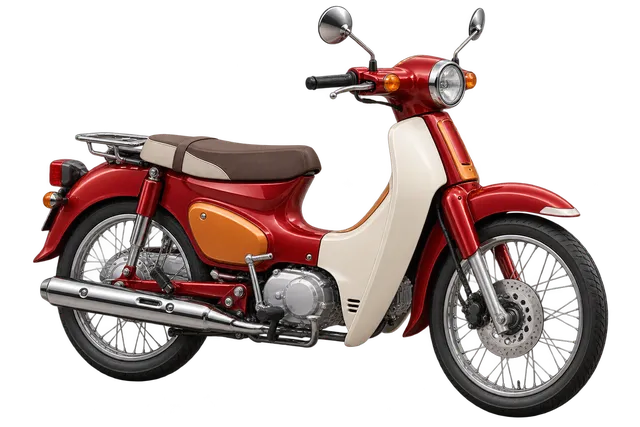
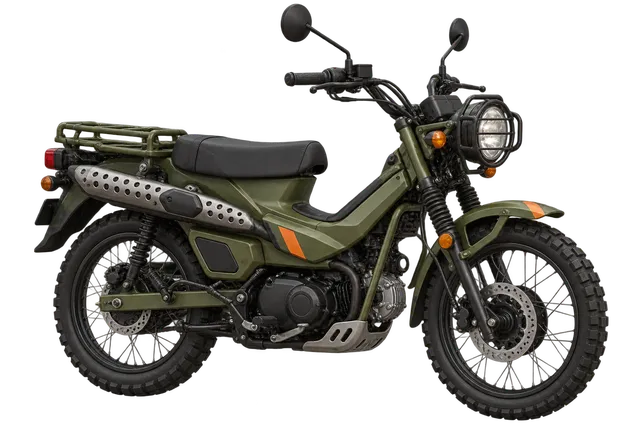
Manual
Hand clutch + foot shift
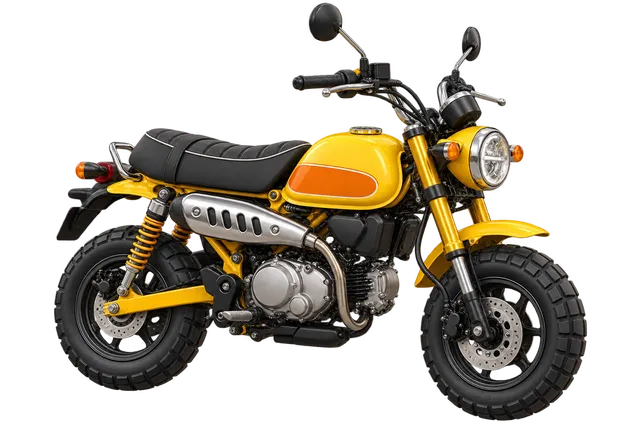
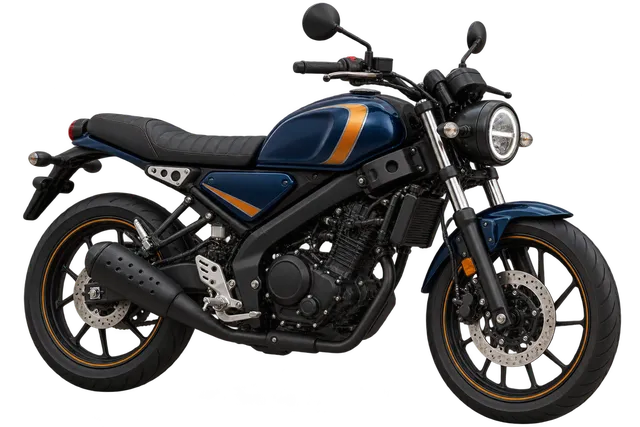
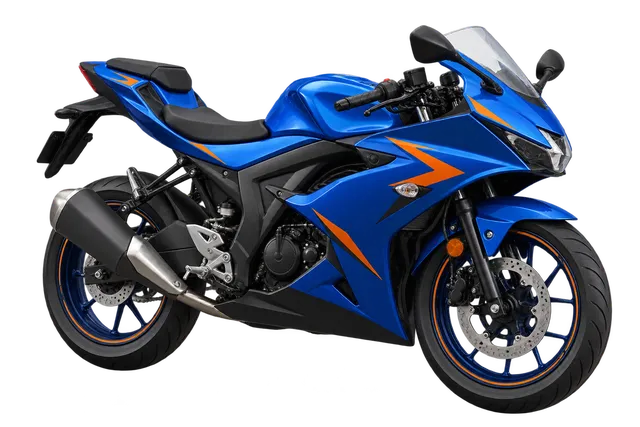
Lists checked (all in Korean): Honda PCX · Super Cub 110 · Super Cub C125 · CT125 · Monkey125 · Yamaha 125cc and under · Suzuki all models · Vespa models · SYM products. Manufacturers’ own categories, and whether you can actually buy a model, may differ.
This list is not a ranking. Even among scooters, models that put everyday riding first, like the PCX and NMAX, models where design is a key reason to choose them, like Vespa, and models that put carrying loads first are chosen by different criteria. I’ll share further comparisons once I have built up more riding of my own and specs I can confirm.
04 / CHECK BEFORE RIDING
Don’t ride off just because it says 125cc.
Under Korean law, the category of motorized bicycles (원동기장치자전거) includes two-wheeled motor vehicles with a displacement of 125cc or less. The Korea Road Traffic Authority (KoROAD) guide sets two-wheelers over 125cc apart as needing a Class 2 small licence (제2종 소형면허).
What you can actually ride, though, has to be checked against the type and conditions of the licence you hold. Before buying or renting, check the conditions on your licence, the registered specifications of the model and whether you can get insurance.
This section covers Korean rules only. It does not cover whether licences issued in other countries or international driving permits can be used in Korea.
05 / WHAT I TRIED FIRST
I rented a scooter for a day first.
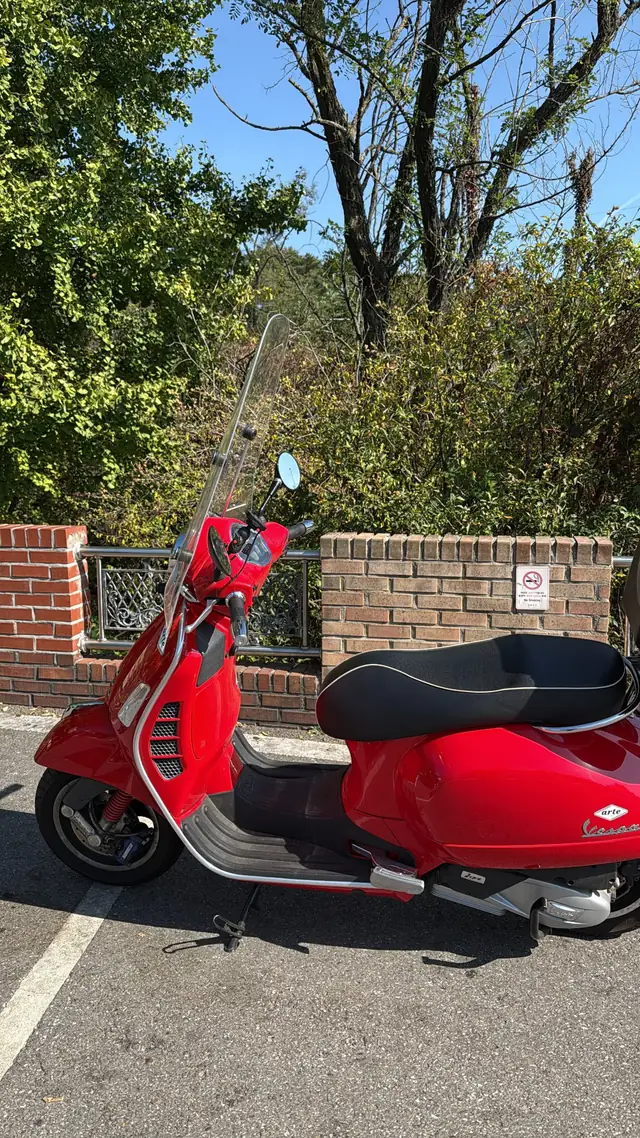
Rather than buying a first 125cc straight away, I rented a Vespa GTS 125 SUPER for 24 hours from Artefine Yongsan Lounge (아르테파인 용산 라운지). Being a scooter, it let me focus on getting around the city and to my destinations without shifting, and I liked being able to try a model I was curious about by the hour first.
I don’t judge every scooter, or manuals, by this one experience. The control differences and model list in this guide are based on official sources, and what I felt first-hand is written up separately in my Vespa rental review.
Read the 24-hour Vespa rental review